

Energy
Clean Energy by the People, for the People
After the 1986 Chernobyl disaster, the “energy rebels” of Schönau, Germany, launched a grassroots revolution in the Black Forest to take control of their community’s power.
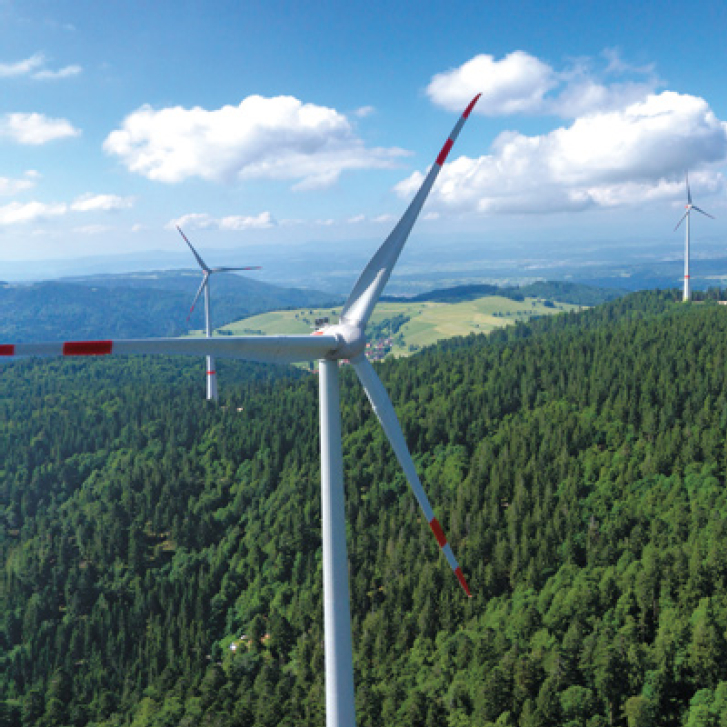
After the 1986 Chernobyl disaster, the “energy rebels” of Schönau, Germany, launched a grassroots revolution in the Black Forest to take control of their community’s power.

Consumers say they want to purchase ethically, but selective memory gets in the way of their decisions.
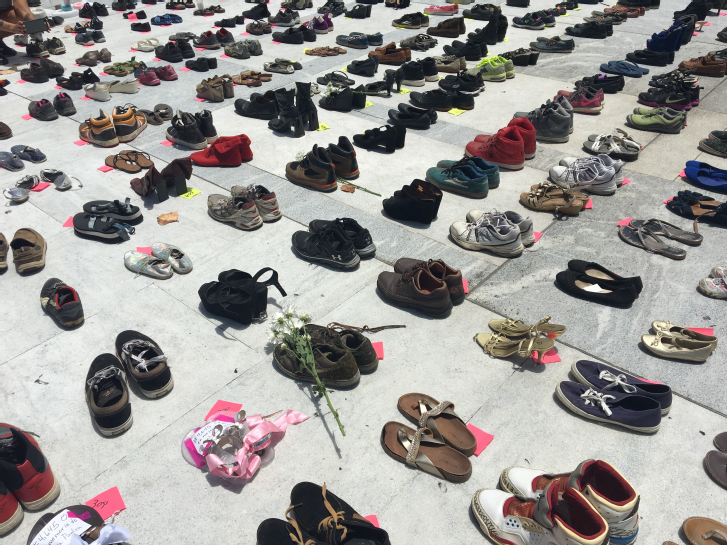
Puerto Ricans put their foot down against the vestiges of colonialism as climate change hits.
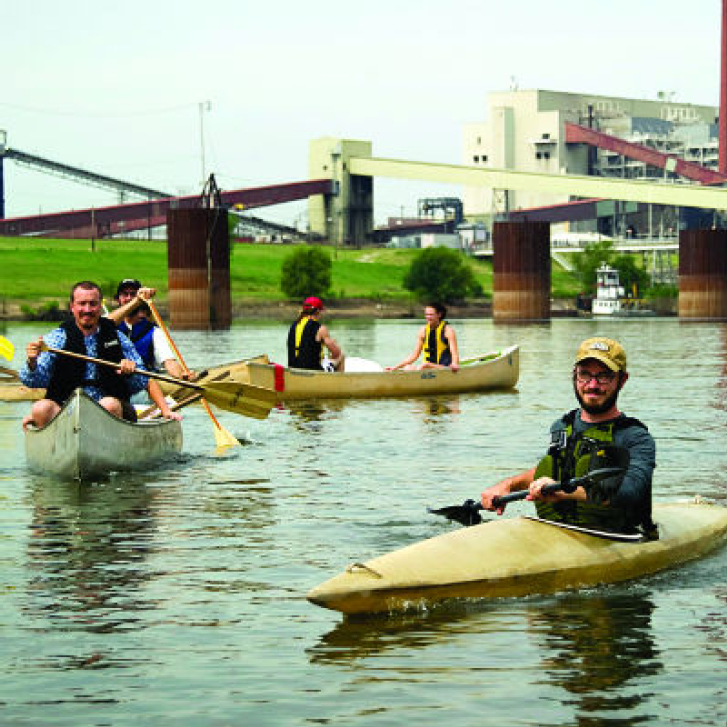
Progress in dealing with the problem of climate change will require that the institutions of government, business, and community work not in isolation from each other, let alone at cross-purposes, but by reinforcing each other’s efforts through consolidation.
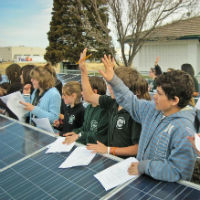
Advocates can make progress on polarized issues by finding new ways into engaging people in different perspectives, rather than trying to knock down the front door with a barrage of facts.

Recent breakthroughs in artificial intelligence offer enormous benefits for mission-driven organizations and could eventually revolutionize how they work.

The world’s poor and low-income countries need greater access to modern energy solutions, including clean-burning fossil fuels for household use.

Even companies making steady progress toward sustainability cannot go much further without collaborating across the value chain.
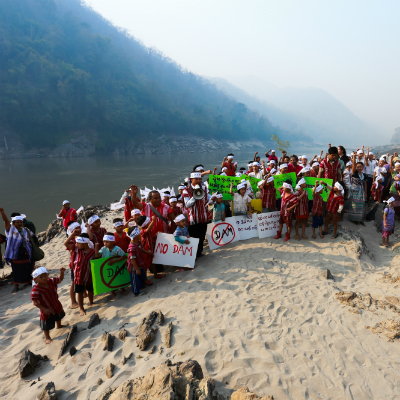
Addressing climate change requires that we transition quickly to renewable energy while grounding our efforts in human rights.
How we frame social issues profoundly influences our understanding of them, and how we think and talk about solutions.